Commercial Bakery Equipment Three-Level Maintenance Guide | SamBake
Why Three-Level Maintenance Is Essential for Commercial Bakery Equipment
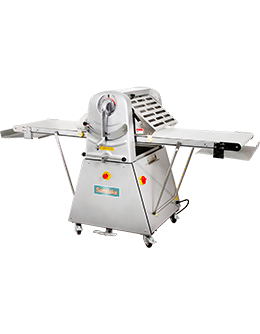
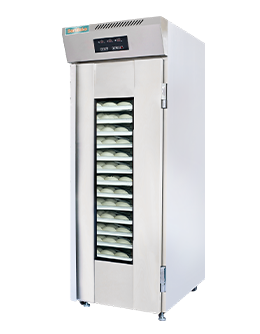
In commercial bakeries, equipment such as commercial deck ovens, industrial bakery ovens, and commercial dough mixers operates under continuous high-load conditions. These machines are designed for long production hours, high output consistency, and strict process control. Unlike home-use equipment, any instability directly affects production efficiency, product quality, and operating costs.
For this reason, a structured three-level maintenance system is not optional. It is a fundamental part of lifecycle management for commercial bakery equipment.
Overview of the Three-Level Maintenance System
Three-level maintenance divides equipment care into different responsibilities and time cycles:
Level 1: Daily maintenance – Performed by operators.
Level 2: Periodic maintenance – Operators with technical support.
Level 3: Comprehensive maintenance – Professional technicians.
This structure helps commercial bakeries manage equipment proactively instead of reacting to failures.
Level 1 Maintenance: Daily Operator Care
Daily maintenance is the foundation of all equipment care. It focuses on visible and easily accessible components and is typically carried out by the machine operator.
Key tasks include:
1、Cleaning external surfaces to prevent flour, oil, and debris buildup.
2、Lubricating designated points according to the manual.
3、Checking and tightening accessible bolts and screws.
4、Observing abnormal noise, vibration, or temperature.
Although these tasks are simple, they are critical. Consistent daily maintenance helps operators identify early signs of wear or misalignment before they escalate into serious mechanical issues.
For commercial bakery equipment, good daily habits can significantly reduce long-term repair costs.
Level 2 Maintenance: Scheduled Technical Inspection
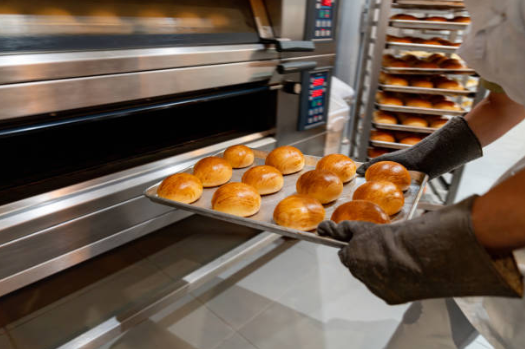
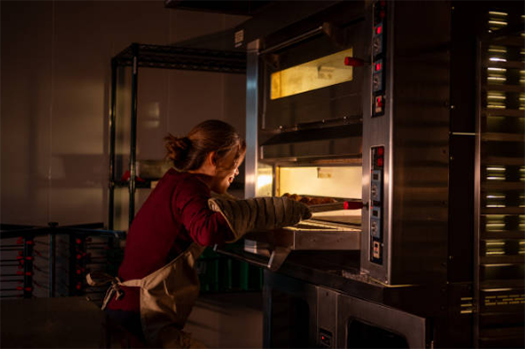
Level 2 maintenance is usually carried out every 1–3 months and involves both operators and maintenance technicians. At this stage, maintenance work moves from external surfaces to internal components.
Typical Level 2 tasks include:
1、Partial disassembly of the oven or machine for internal cleaning.
2、Inspection and adjustment of transmission components and bearings.
3、Removal of foreign objects from internal areas.
4、Checking heating elements or gas burners for performance and safety.
5、Inspecting electrical systems and control responsiveness.
6、Cleaning and lubricating all designated lubrication points.
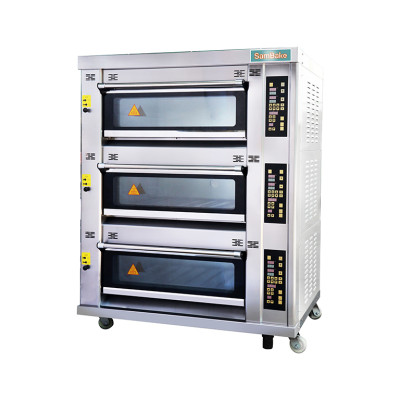
For commercial deck ovens, this level of maintenance helps ensure stable heat distribution and mechanical reliability during continuous production.
Level 3 Maintenance: Comprehensive & Lifecycle-Level Care
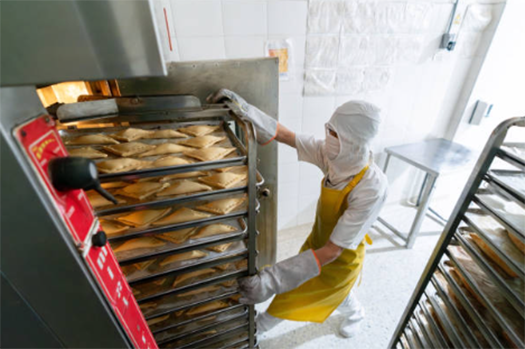
Level 3 maintenance is the most in-depth stage and is typically performed every 6–12 months. It is mainly handled by professional technicians and often corresponds to what many factories refer to as "major maintenance."
Level 3 maintenance includes:
1、Complete or partial disassembly of the equipment.
2、Deep cleaning of the combustion chamber or heating chamber.
3、Replacement or repair of worn transmission parts.
4、Inspection and overhaul of heating systems and automatic control systems.
5、Replacement of insulation materials when necessary.
6、Full inspection, repair, or replacement of oven belts.
7、Oil replacement and recalibration after reassembly.
This level of maintenance ensures that industrial bakery ovens and other heavy-duty machines remain safe, efficient, and reliable throughout their lifecycle.
SOP and Responsibility Systems: The Hidden Foundation
Three-level maintenance must be supported by clear internal systems.
These include:
1、Equipment operation SOP.
2、Maintenance checklists.
3、Clear responsibility assignment.
4、Scheduled inspection records
Maintenance is a preventive process.
Maintenance Considerations for OEM & ODM Bakery Equipment
OEM and ODM commercial bakery equipment often differs from standard machines.Customized structures and capacities mean maintenance points may vary.
For this reason, maintenance should not be an afterthought. It must be integrated at the design stage.
At SamBake, maintenance logic is embedded into OEM/ODM equipment through:
1、Structural layouts optimized for service access.
2、Clearly defined lubrication and inspection points.
3、Operation and maintenance manuals matched to the actual configuration.
4、Electronic and printed documentation provided based on customer preference.
Choosing Commercial Bakery Equipment for Long-Term Reliability
When investing in commercial bakery equipment, performance specifications alone are not enough. Buyers should also evaluate how the equipment will be maintained over the next 5–10 years.
If you are planning to purchase a commercial deck oven, commercial dough mixer, or customized production line, maintenance transparency should be part of your decision criteria.
Contact SamBake to learn more about our commercial bakery equipment solutions, OEM & ODM customization capabilities, and long-term technical support.
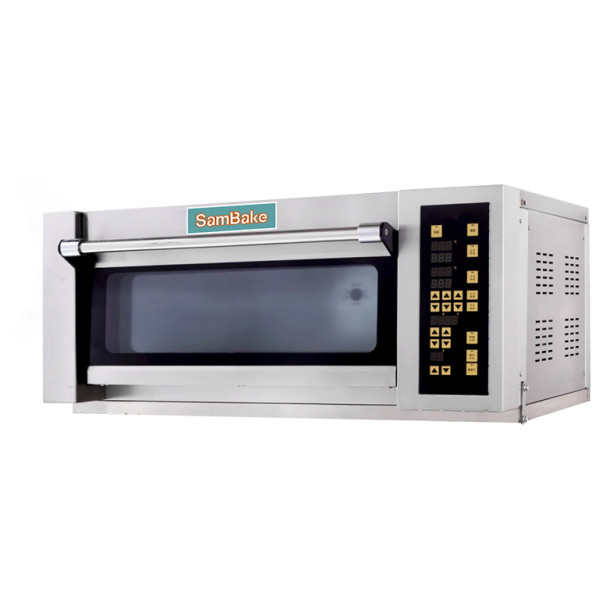
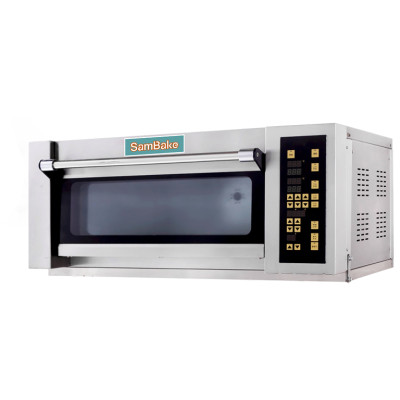
Enhance baking with SamBake's stone deck oven — stainless steel, even heat, energy-saving, and customizable for small bakeries.
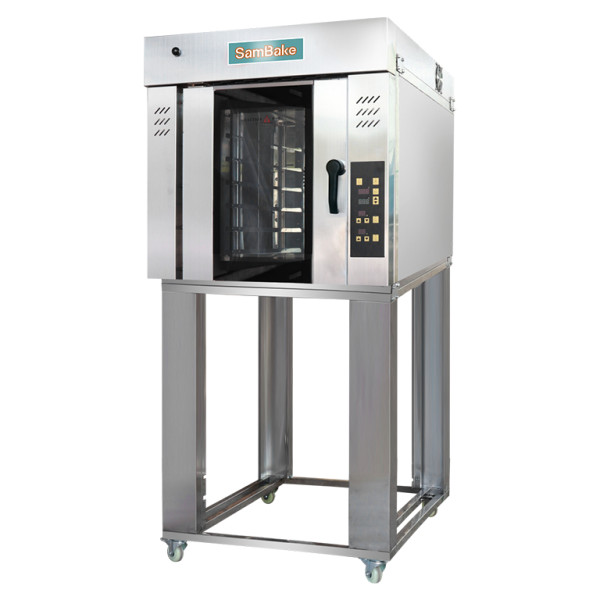
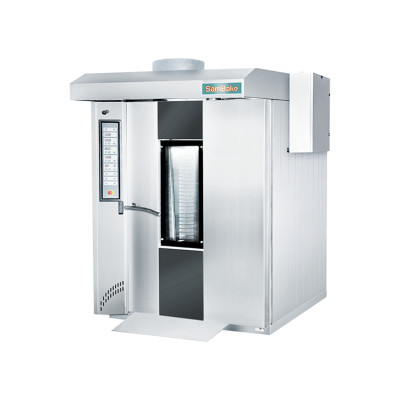
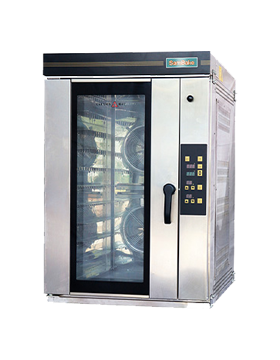
Compact revolving rack oven with rotating tray convection for consistent baking in small to mid-size commercial bakeries.
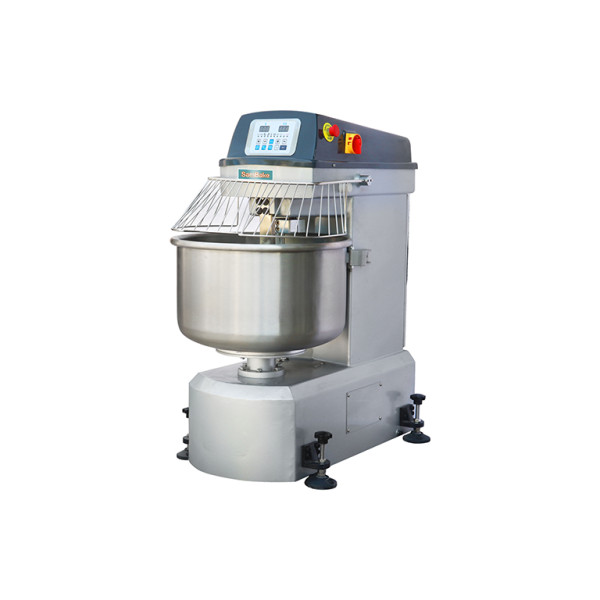
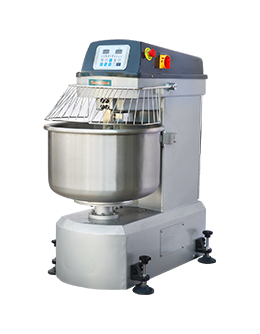
Spiral dough mixer with food-grade 304 stainless steel bowl, featuring low-temp kneading, dual speed, and safety guard.
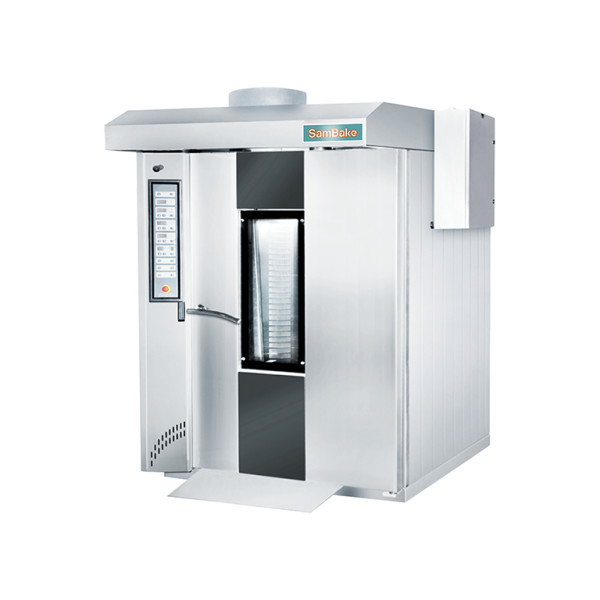
Durable rotating rack oven with full-tray in/out system, strong heat circulation, and customizable heating options.